
Naruto Uzumaki
Naruto Uzumaki Personality: Traits, Character Development & MBTI
Naruto Uzumaki’s personality combines optimism, determination, loyalty, emotional sensitivity, and a stubborn refusal to give up. He is loud, energetic, mischievous, and sometimes immature, but beneath that behavior is someone deeply affected by loneliness and rejection.
As Naruto grows throughout Naruto and Naruto Shippuden, his personality becomes more mature without losing the qualities that define him. His experiences with Sasuke, Gaara, Nagato, Obito, and others gradually turn his desire for recognition into a stronger commitment to protecting and understanding people.
Optimistic
Determined
Loyal
Sensitive
What Is Naruto Uzumaki’s Personality Like?
Naruto is energetic, outspoken, competitive, and highly expressive. He often acts before thinking and can be stubborn when someone challenges his beliefs. At the same time, he is remarkably loyal and compassionate, especially toward people who experience the same loneliness he once felt. His personality is more complex than simply being a cheerful protagonist. His confidence and constant jokes often hide an intense desire to be acknowledged and accepted. As he gains genuine friendships and learns from his experiences, his personality develops from attention-seeking behavior into confidence, empathy, and leadership. For fans who want to experience Naruto in a game, you can also Download Naruto Senki APK and explore different versions, including the Naruto Senki APK old versions for earlier gameplay experiences.
Naruto Uzumaki’s Main Personality Traits

Optimistic and Positive
Naruto is naturally optimistic. Even after repeated failures, he tends to believe that another solution is possible. His optimism does not mean that he never feels fear, sadness, or frustration. Instead, he repeatedly chooses to continue despite those emotions.

Determined and Persistent
Determination is arguably Naruto’s defining personality trait. Once he decides that something matters to him, convincing him to abandon it is extremely difficult. His dream of becoming Hokage is the clearest example. He starts with little respect from the village, struggles with basic ninja skills, and repeatedly faces stronger opponents. Instead of allowing those failures to define him, he uses them as motivation to improve.

Loud, Energetic, and Outgoing
Young Naruto is loud, energetic, and rarely afraid to express himself. He talks openly, challenges authority, makes jokes, and frequently draws attention to himself. His outgoing personality makes him comfortable approaching people, even when they initially reject him. However, his behavior can also contribute to some of his less mature decisions.

Stubborn and Strong-Willed
Naruto’s stubbornness can be both a strength and a weakness. When his friends are in danger or he believes something is morally important, he refuses to back down. However, Naruto can also ignore advice when he becomes emotionally invested in a situation. His determination sometimes pushes him into unnecessary danger.
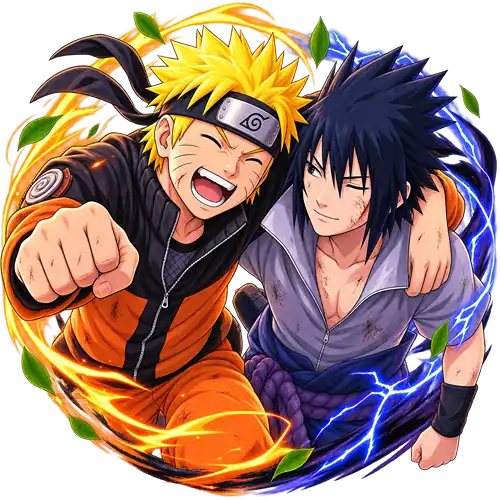
Loyal to His Friends
Naruto takes friendship extremely seriously. His relationship with Sasuke demonstrates this more than almost any other relationship. Naruto does not view Sasuke simply as a rival or teammate. He sees him as someone whose loneliness resembles his own, which is why Naruto continues trying to reach him.
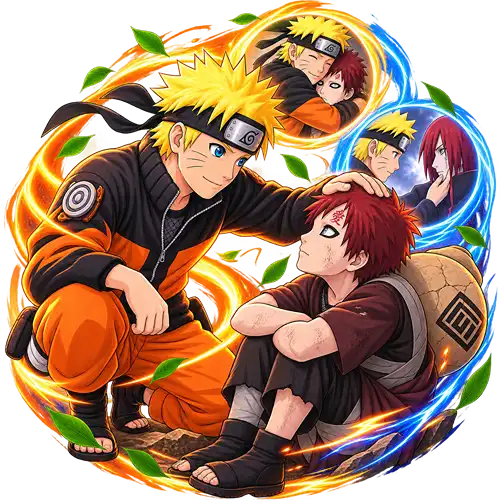
Compassionate and Empathetic
Naruto’s empathy becomes increasingly important as the story progresses. Because he knows what loneliness feels like, he can recognize similar pain in people who initially appear to be enemies. This helps explain his ability to connect with characters such as Gaara and Nagato.
Impulsive and Reckless
Naruto’s positive qualities come with disadvantages. He can act without fully considering the consequences, particularly when someone he cares about is threatened. His emotions can override careful planning, especially during his younger years. This recklessness makes him vulnerable but also contributes to his willingness to take risks when others would hesitate.
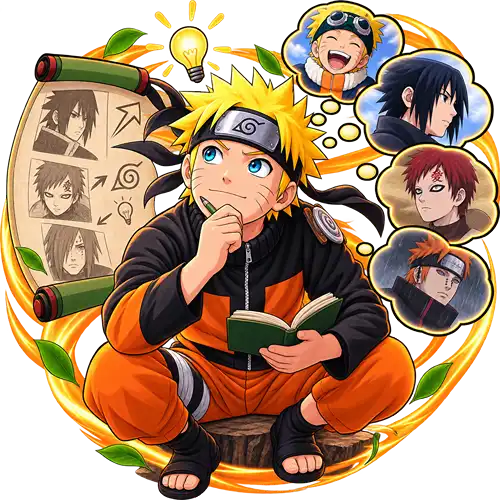
Naive but Observant
Early Naruto can be naïve and inexperienced, particularly when dealing with complicated situations. However, calling him unintelligent would miss an important part of his personality. Naruto often learns through observation and experience and becomes especially good at recognizing emotional similarities between himself and other people.
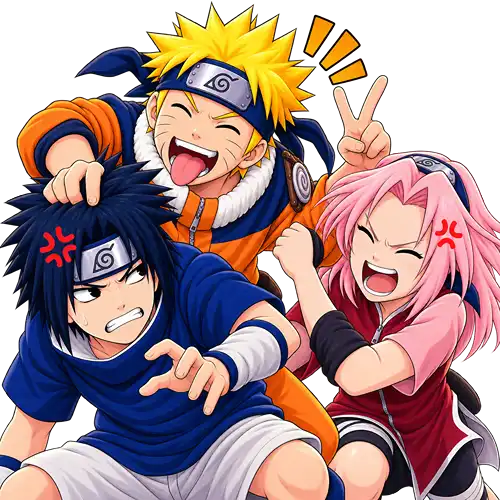
Funny, Mischievous, and Immature
Naruto’s humor is a major part of his early personality. He enjoys pranks, jokes, and provoking people, particularly when he wants attention. Some of his behavior is genuinely childish, while some of it comes from his desire to make people notice him. As Naruto matures, he becomes more responsible, but his playful personality never disappears completely.
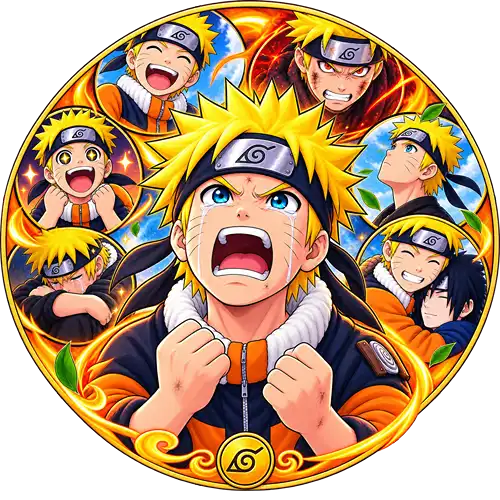
Emotionally Expressive
Naruto rarely hides what he is feeling. When he is excited, angry, frustrated, or heartbroken, he tends to express those emotions openly. This emotional honesty becomes an important part of his relationships. Rather than pretending that pain does not affect him, Naruto often confronts it directly and uses it to understand others.
Why Is Naruto So Loud and Attention-Seeking?
Naruto’s loud behavior is closely connected to his childhood. He grows up without the normal emotional support of a family and is treated differently by many people in the village because of the Nine-Tails sealed inside him. As a result, he develops a strong desire to make people notice him. His pranks and disruptive behavior can therefore be viewed as more than simple mischief: Naruto wants acknowledgment.
Naruto’s Need for Recognition
Naruto’s dream of becoming Hokage initially carries a deeper meaning than simply achieving a prestigious position. He wants people to recognize him. The title of Hokage represents acceptance, respect, and proof that he has finally become someone the village cannot ignore. As Naruto matures, however, his understanding of the role changes. Leadership becomes less about receiving attention and more about protecting the people who depend on him.
How Loneliness Shaped His Personality
Naruto’s loneliness influences many major parts of his personality. It helps explain why he seeks friendships so strongly, why he reacts intensely to rejection, and why he becomes attached to people who finally accept him. His experiences also make him sensitive to other lonely characters. Rather than simply seeing an enemy, Naruto often recognizes someone who has suffered in a way that reminds him of himself.
Why Becoming Hokage Meant More Than Power
For Naruto, becoming Hokage is ultimately connected to belonging. As a child, he wants everyone to acknowledge him. As he grows older, his motivation becomes more mature: he wants to protect the village and create a future where others do not have to experience the same isolation. That shift is one of the clearest signs of his character development.
How Naruto’s Personality Changes Throughout the Series
Naruto does not suddenly become a completely different person. Instead, his original qualities become more mature and controlled.
Naruto’s Personality in Part 1
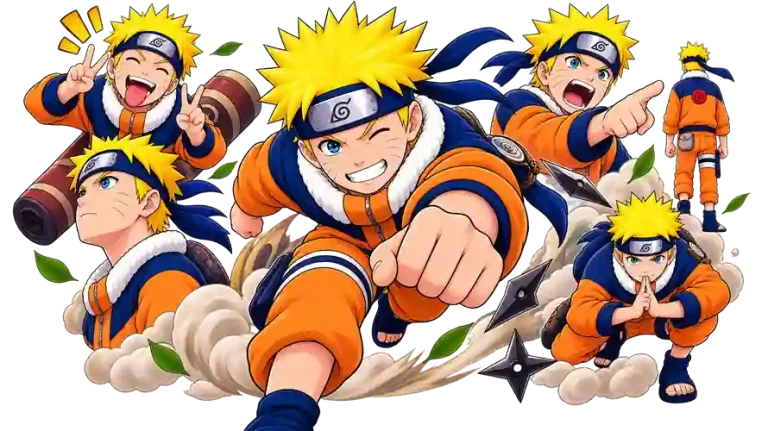
Part 1 Naruto is energetic, immature, competitive, and desperate for recognition. He frequently uses humor and pranks to attract attention. He also has a strong desire to prove that he is capable despite being underestimated. At this stage, his determination is already obvious, but his emotional maturity is still developing.
Naruto’s Personality in Shippuden
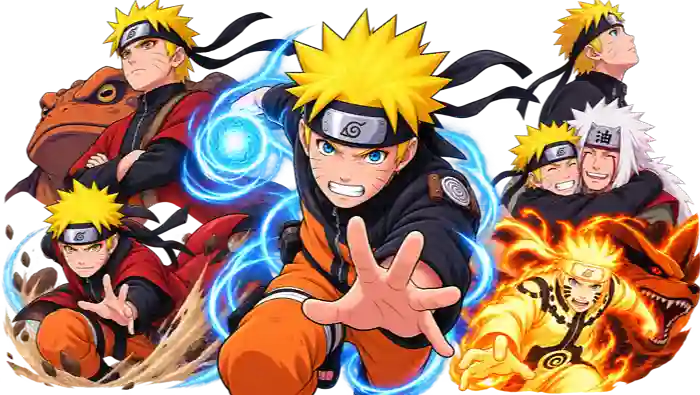
In Naruto Shippuden, Naruto becomes more experienced and emotionally aware. He still jokes around and remains stubborn, but his relationships and losses force him to think more deeply about pain, responsibility, and friendship. His goal of becoming stronger is increasingly connected to protecting others rather than proving himself.
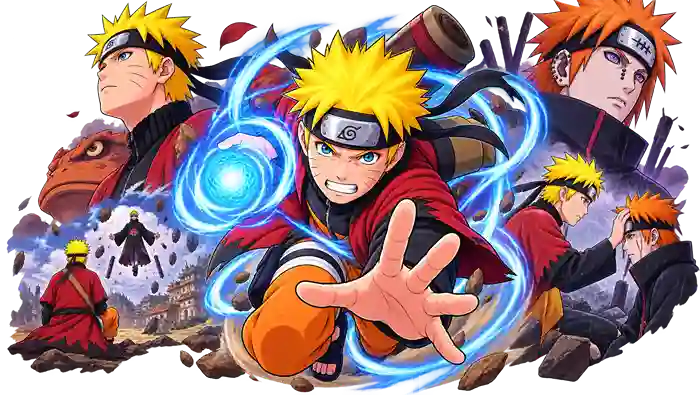
Naruto During the Pain Arc
The Pain arc represents one of the biggest developments in Naruto’s personality. Instead of responding to Nagato’s suffering with simple revenge, Naruto tries to understand the hatred behind his actions. This does not make Naruto passive. He still opposes Nagato’s actions, but he refuses to believe that violence is the only possible response.
Naruto During the Fourth Great Ninja War
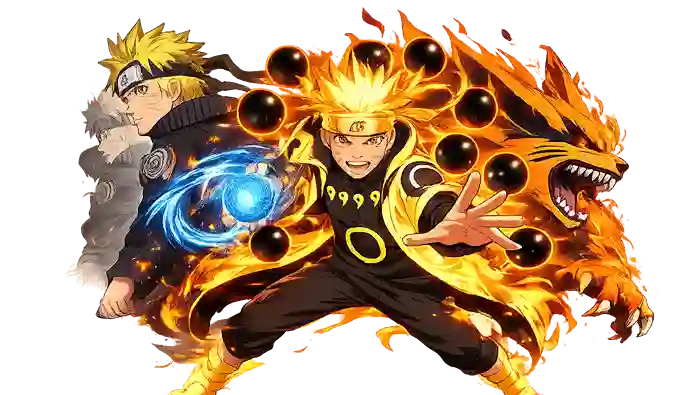
During the Fourth Great Ninja War, Naruto’s personality becomes increasingly leadership-oriented. He continues to encourage others, but he is no longer fighting only for personal recognition. He becomes someone other characters can rely on during a crisis. His optimism begins affecting the people around him.
Naruto as an Adult and Hokage
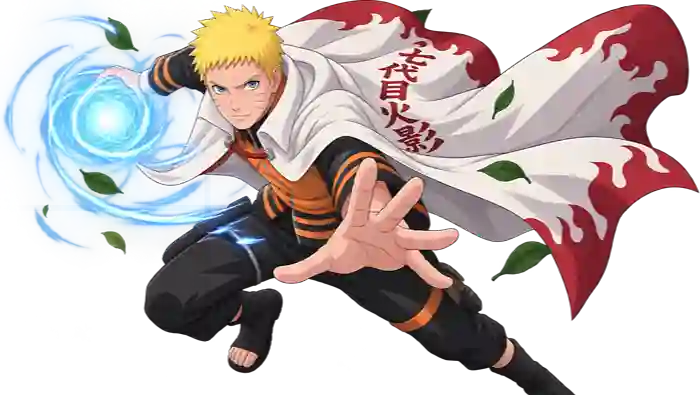
Adult Naruto retains his humor and determination, but he carries significantly greater responsibility. As Hokage, he has to think beyond his own goals and consider the needs of an entire village. The contrast is meaningful: the child who desperately wanted to be acknowledged eventually becomes the person responsible for protecting and guiding others.
Naruto’s Greatest Personality Strengths and Weaknesses
Naruto’s Personality Strengths
His Determination to Never Give Up
Naruto’s refusal to surrender is central to his identity. He repeatedly faces opponents who appear stronger, more experienced, or more powerful than him. His response is usually to find another way forward. This persistence inspires people around him and becomes one of the qualities that separates him from many of his rivals.
His Empathy for Others
Naruto’s ability to understand emotional pain is one of his greatest strengths. His own loneliness allows him to recognize that destructive behavior can come from suffering. This becomes particularly clear in his interactions with Gaara and Nagato.
His Loyalty
Naruto does not abandon people easily. His loyalty can sometimes become excessive, but it is also one of the reasons other characters trust him. He treats relationships as commitments rather than temporary alliances.
His Courage and Resilience
Naruto experiences failure, rejection, loss, and physical hardship throughout the story. Yet these experiences rarely destroy his willingness to continue. His resilience is not simply physical. His ability to recover emotionally from setbacks is equally important.
His Ability to Inspire Others
Naruto often changes people through his actions rather than through authority. His determination encourages others to reconsider their own choices, while his willingness to trust people can create bonds where none previously existed. This eventually becomes an important part of his leadership.
His Willingness to Understand His Enemies
Naruto does not automatically forgive everyone or ignore their actions. Instead, he tries to understand why they became who they are. His empathy allows him to challenge the cycle of hatred without pretending that the harm caused by his enemies did not matter.
Naruto’s Personality Weaknesses
Impulsiveness
Naruto often reacts emotionally before thinking through every consequence. This can lead him into dangerous situations, particularly when someone he cares about is threatened.
Stubbornness
His refusal to give up is admirable, but the same trait can become a problem when he refuses to accept that his approach may be wrong.
Naivety
Naruto sometimes struggles to understand complex motives or political situations, especially when he is younger. His worldview becomes more sophisticated as he gains experience.
Immaturity
Part 1 Naruto can be childish and irresponsible. His behavior improves considerably as he grows, but his playful nature remains part of his personality even after becoming more mature.
Emotional Decision-Making
Naruto’s strongest relationships can also influence his decisions. His feelings toward Sasuke, for example, cause him to take enormous risks because he cannot accept abandoning someone he considers a friend.
His Attachment to Others
Naruto’s strong bonds are usually a strength, but they can also become a source of vulnerability. He cares deeply about losing people, which sometimes causes him to act recklessly.
Why Does Naruto Understand His Enemies?
Naruto’s ability to understand his enemies is closely connected to his own experiences.
Naruto and Gaara
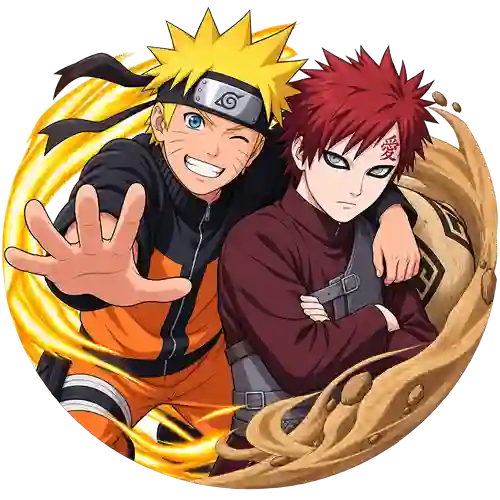
Gaara and Naruto share an important similarity: both experience isolation and are feared because of the tailed beasts inside them. Naruto recognizes that similarity and understands that Gaara’s cruelty developed from loneliness and pain. Their relationship demonstrates how Naruto’s empathy can turn an enemy into an ally.
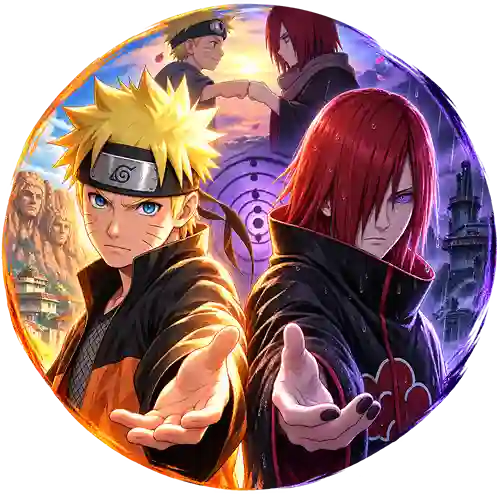
Naruto and Nagato
Nagato is one of the strongest examples of Naruto’s mature worldview. After learning about Nagato’s past, Naruto understands that both of them were shaped by suffering, even though they chose different responses to it. Naruto refuses to continue the same cycle of hatred.
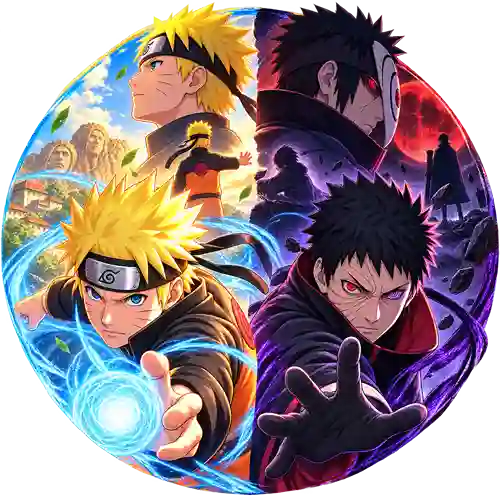
Naruto and Obito
Obito presents another version of what Naruto could potentially have become. Both experience loneliness and disappointment, but Obito allows those experiences to consume him. Naruto instead continues searching for connection and hope.
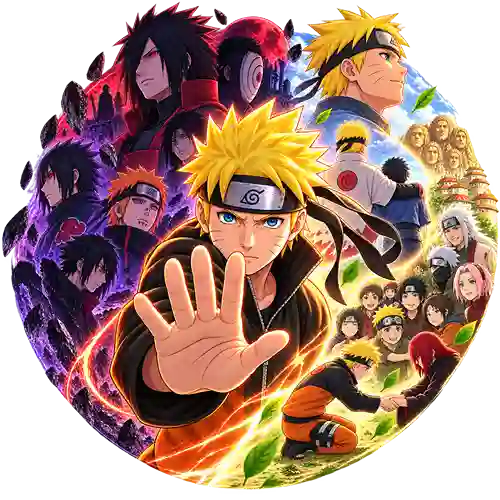
Naruto’s Rejection of the Cycle of Hatred
Naruto eventually understands that simply defeating an enemy does not necessarily solve the problem that created the conflict. His response is to challenge the cycle itself. This is why his empathy becomes more than a personality trait; it becomes part of his worldview.
What Does Naruto’s Relationship With Sasuke Reveal About His Personality?
Naruto’s relationship with Sasuke reveals his loyalty, empathy, competitiveness, and stubbornness better than almost any other relationship.
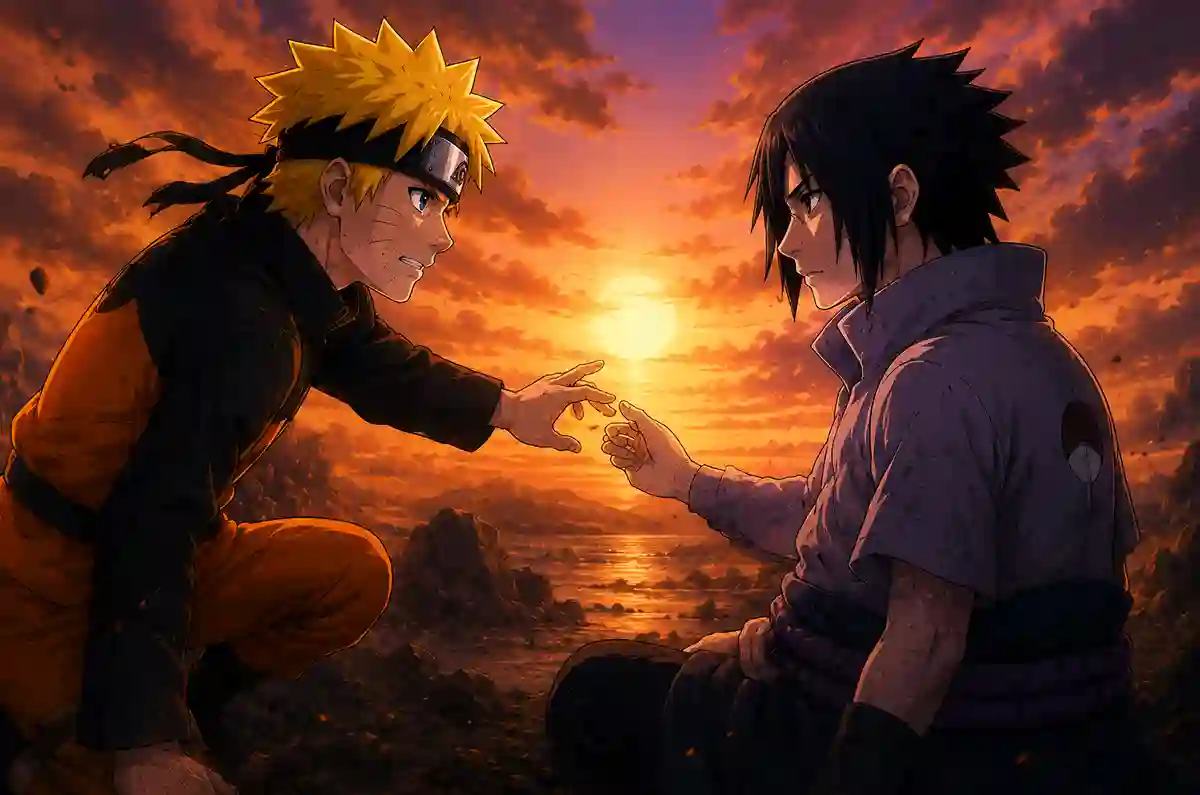
Why Naruto Never Gave Up on Sasuke
Naruto sees Sasuke as someone who has chosen a destructive path, but he refuses to believe that Sasuke is beyond saving. His persistence is partly based on friendship and partly on recognition. Naruto understands what it means to be alone, so he cannot easily accept Sasuke’s isolation.
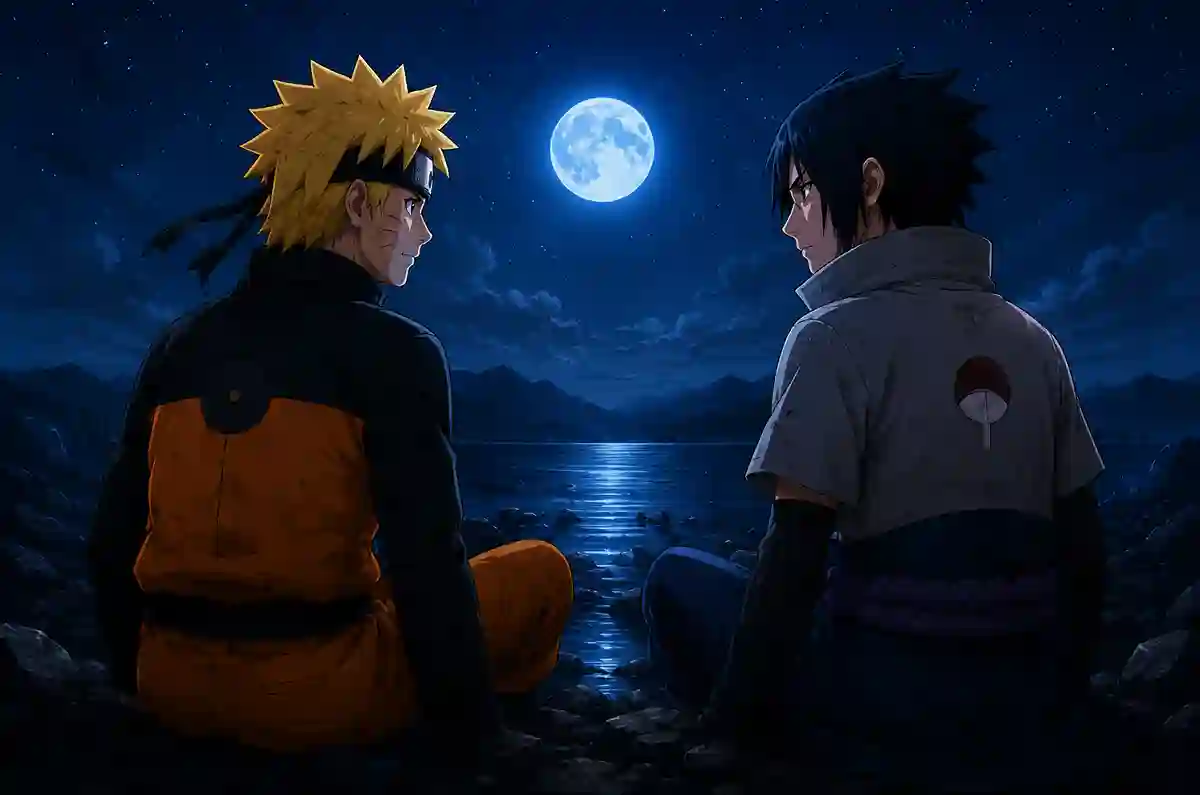
How Naruto Saw Himself in Sasuke
Although Naruto and Sasuke have very different personalities, both experience loneliness. Naruto’s willingness to acknowledge that similarity helps explain why Sasuke becomes so important to him.
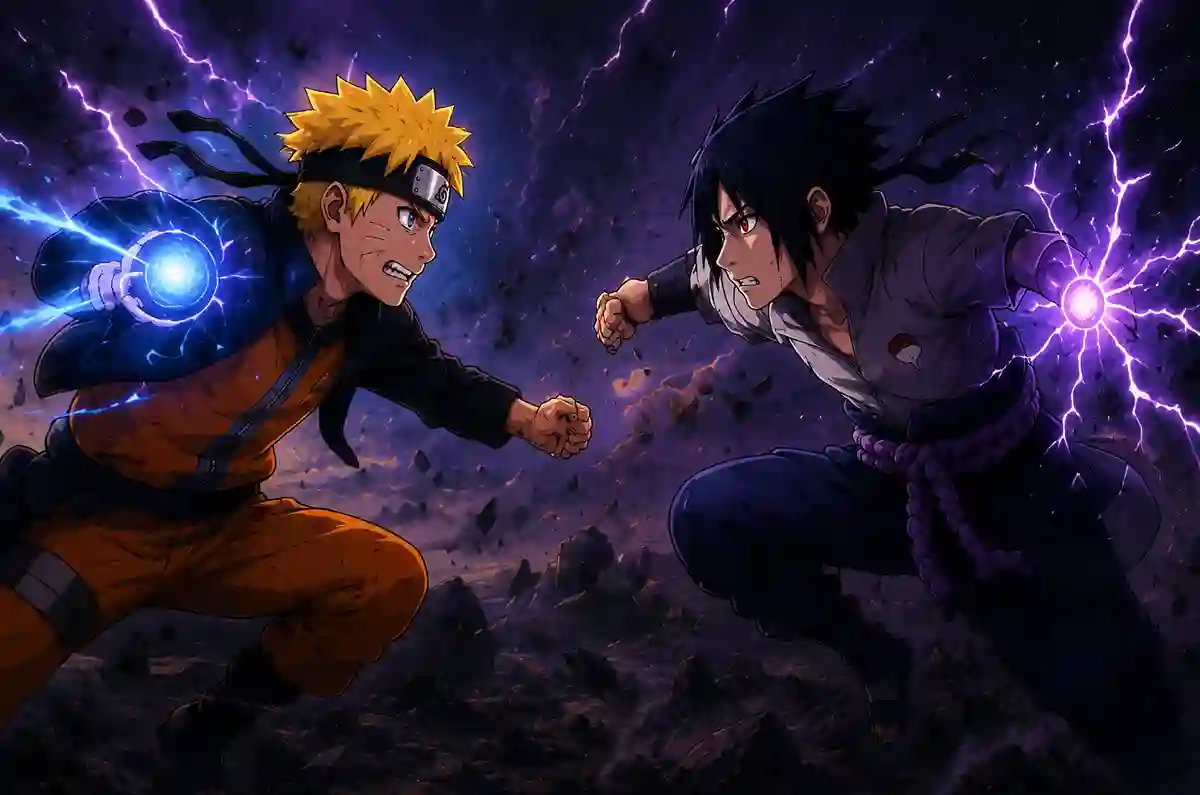
Rivalry, Friendship, and Loyalty
Their rivalry pushes Naruto to improve, while their friendship gives Naruto one of his strongest emotional motivations. Sasuke therefore reveals both sides of Naruto’s personality: his competitive nature and his extraordinary loyalty.
What Is Naruto Uzumaki’s MBTI Personality Type?
Naruto is commonly typed as an ENFP, although MBTI classifications for fictional characters are interpretive rather than official.
The ENFP interpretation fits several parts of his personality, including his enthusiasm, emotional openness, strong personal values, curiosity, spontaneity, and ability to connect with people.
Why Naruto Is Often Typed as ENFP
The ENFP interpretation is mainly based on Naruto’s energetic nature, strong emotions, idealism, spontaneity, and focus on personal connections. He is also highly motivated by what he believes is right rather than simply following established rules.
Why Some Fans Type Naruto as ESFP
Some personality analysts see Naruto’s highly energetic, action-oriented, spontaneous behavior as more consistent with ESFP characteristics. His tendency to learn through direct experience also supports this interpretation.
Could Naruto Have ENFJ Traits?
Some fans see leadership-oriented qualities in Naruto that resemble ENFJ traits. As he becomes more mature, he increasingly motivates and supports other people. However, his spontaneous and highly individualistic nature makes ENFP a more common interpretation.
Why Naruto Is Often Typed as ENFP
The ENFP interpretation is mainly based on Naruto’s energetic nature, strong emotions, idealism, spontaneity, and focus on personal connections. He is also highly motivated by what he believes is right rather than simply following established rules.
Why Some Fans Type Naruto as ESFP
Some personality analysts see Naruto’s highly energetic, action-oriented, spontaneous behavior as more consistent with ESFP characteristics. His tendency to learn through direct experience also supports this interpretation.
Could Naruto Have ENFJ Traits?
Some fans see leadership-oriented qualities in Naruto that resemble ENFJ traits. As he becomes more mature, he increasingly motivates and supports other people. However, his spontaneous and highly individualistic nature makes ENFP a more common interpretation.
Which MBTI Type Fits Naruto Best?
ENFP is probably the most commonly suggested fit for Naruto, but it should not be treated as an official classification. MBTI is a personality framework applied by fans and analysts to a fictional character, not a classification confirmed by the Naruto story itself.
Is Naruto Uzumaki a Good Person?
Yes. Naruto is fundamentally portrayed as a good person, but he is not perfect. He can be reckless, stubborn, immature, and emotionally impulsive. However, he consistently demonstrates compassion, loyalty, courage, and a willingness to protect people who are important to him. One of his strongest moral qualities is his refusal to let his own suffering become an excuse for creating more suffering. Rather than using his childhood as justification for hatred, Naruto uses it to understand people who are experiencing similar pain.
Frequently Asked Questions About Naruto Uzumaki’s Personality
Final Thoughts on Naruto Uzumaki’s Personality
Naruto Uzumaki’s personality is built around a powerful contradiction: he can be loud, childish, reckless, and stubborn while also being deeply empathetic, loyal, resilient, and compassionate. His greatest development is not that he stops being the energetic Naruto fans know. Instead, he learns how to turn those original qualities into strengths. The lonely child who once wanted everyone to acknowledge him eventually becomes someone capable of understanding others, inspiring his friends, accepting responsibility, and protecting the people around him.
That combination of determination, vulnerability, empathy, and growth is what makes Naruto’s personality one of the most recognizable and enduring character journeys in anime.
Other Posts
Naruto Senki Storm 4
Full Characters New Characters Epic Battles Easy Install Naruto Senki…Naruto Senki Old Version
Full Characters Standout Features Download And Install Old Versions Free…Naruto Senki PC
Full Characters Standout Features Download And Install Big Screens Download…